

Category: Business Performance & KPIs
-
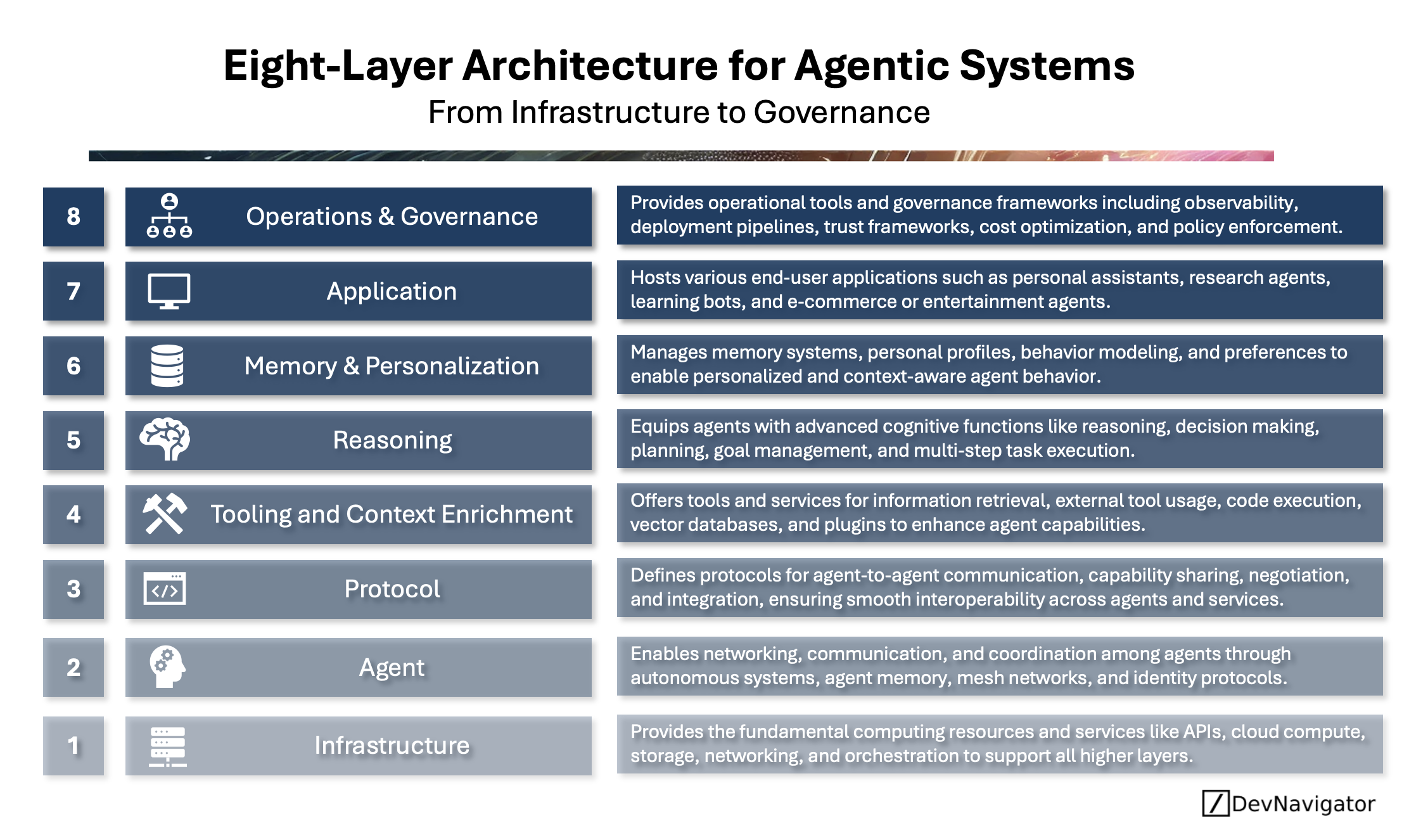
Eight-Layer Architecture for Agentic Systems
Building truly intelligent, autonomous systems requires more than powerful models, it demands a cohesive architecture that connects reasoning, memory, communication, and governance into a unified ecosystem. This eight-layer framework illustrates…
-
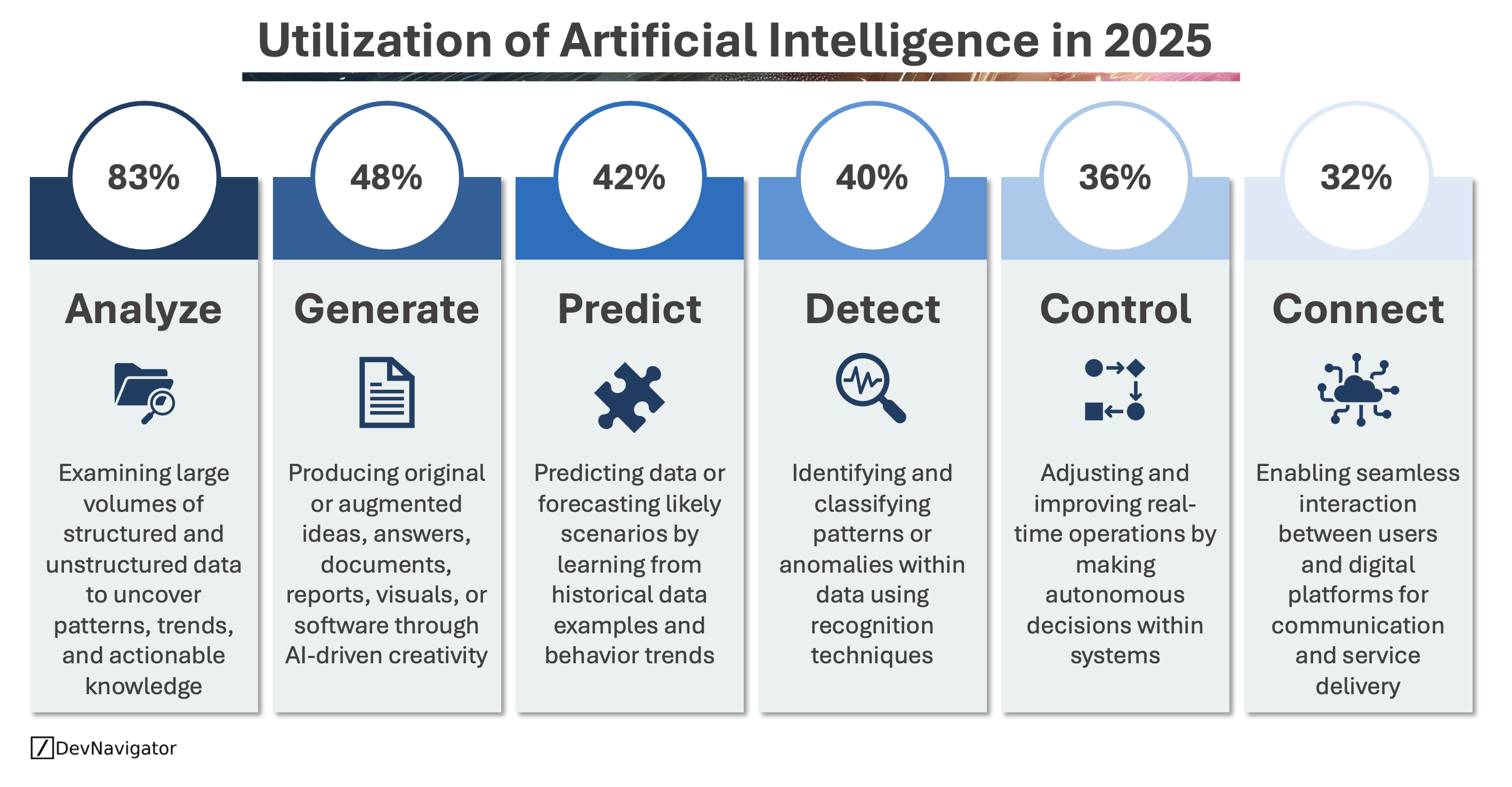
Utilization of Artificial Intelligence in 2025
Artificial intelligence in 2025 is moving from experimentation to full-scale integration across the enterprise. The majority of organizations, over 80%, are leveraging AI for data analysis, extracting patterns and insights…
-

Data Governance Strategy
A structured view of data governance that links organizational hierarchy with operational accountability. The framework shows how effective governance starts with executive vision, driven by the board and senior leadership,…
-
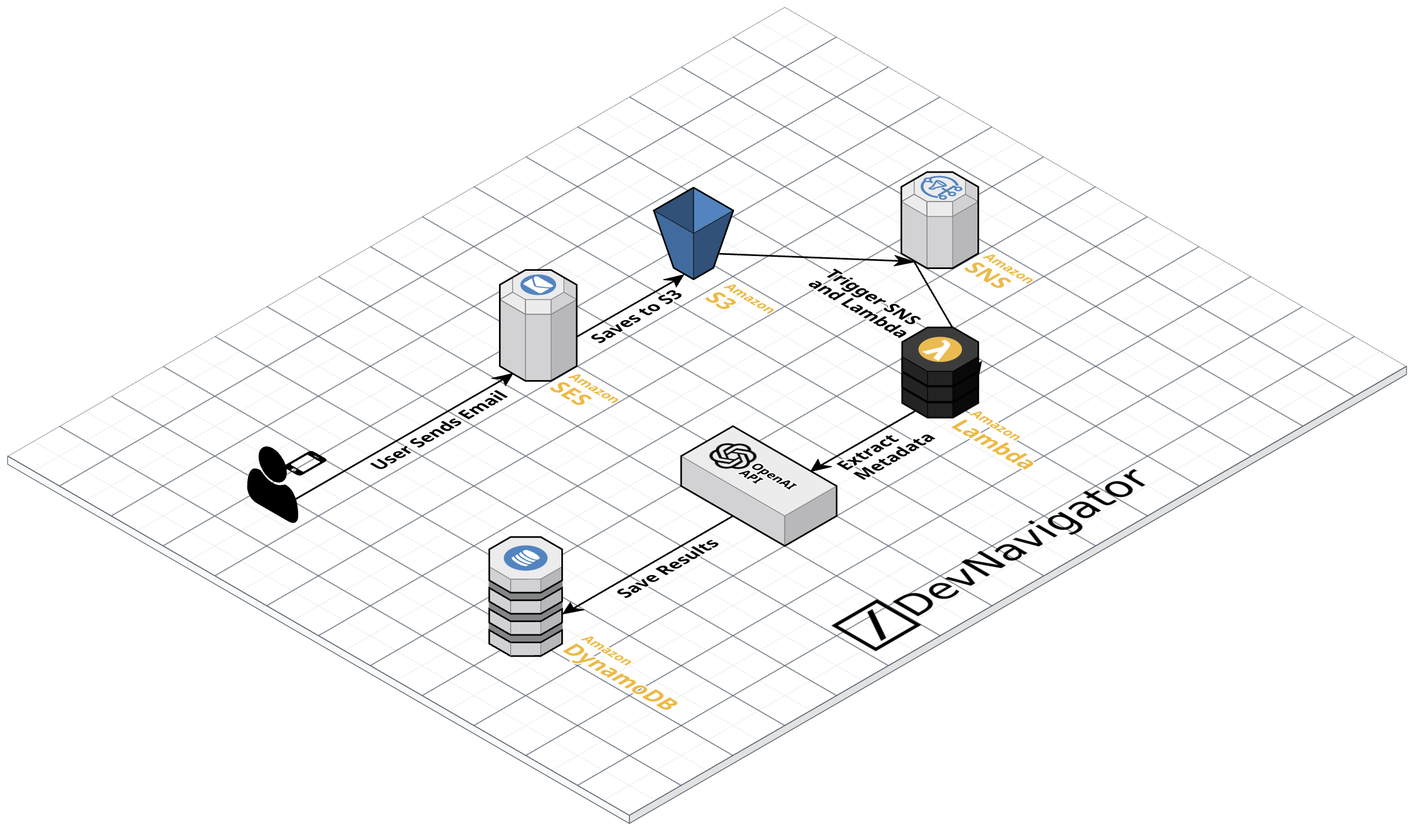
AI Email Processing Pipeline: A Powerful 6-Step Architecture for Scalable Intelligence on AWS
An AI Email Processing Pipeline turns unstructured email traffic into structured, searchable intelligence with minimal human effort. By combining native AWS services with large language models, teams can automatically ingest…
-
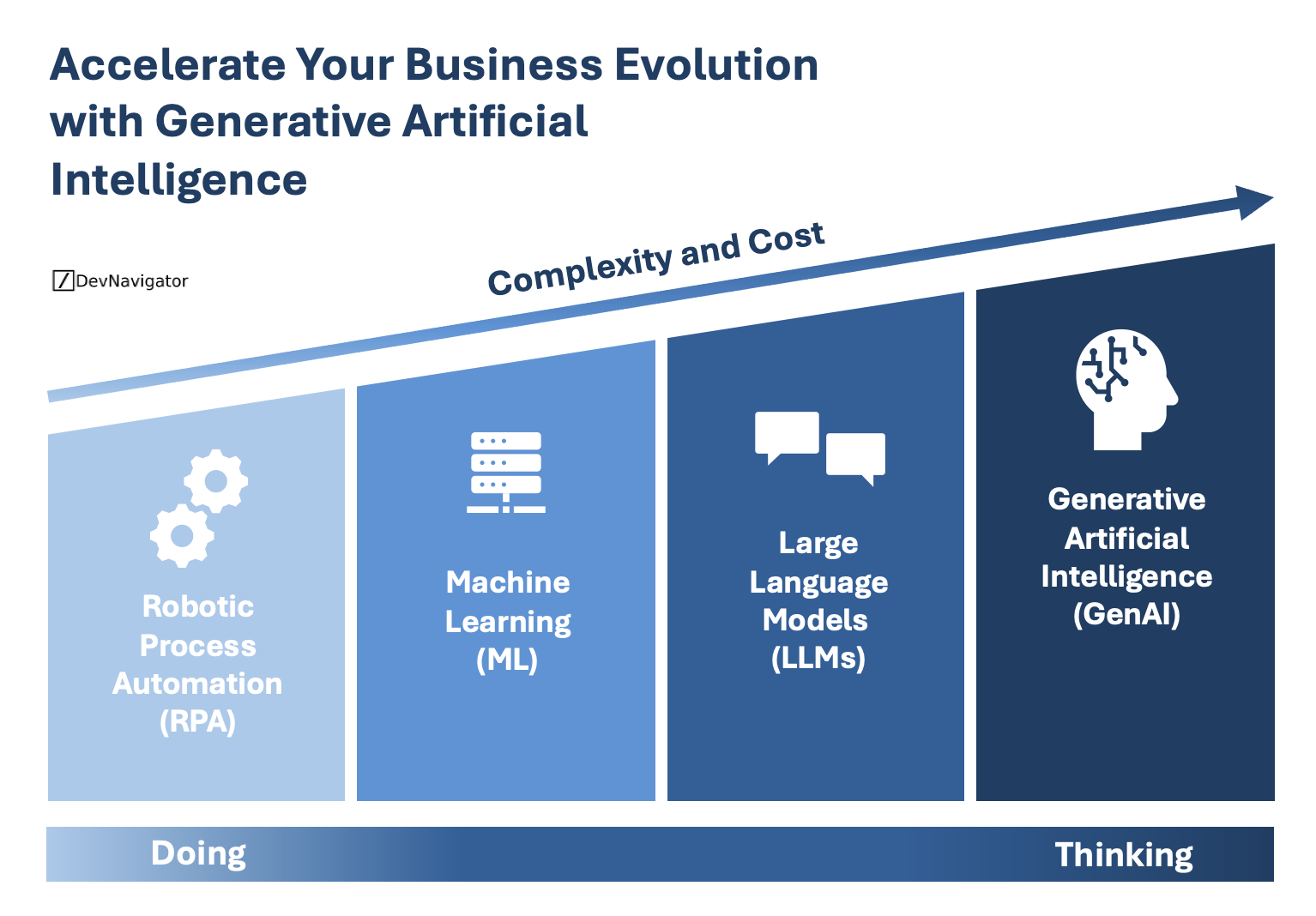
Generative Artificial Intelligence: 4 Powerful Stages That Are Redefining Business Evolution
Generative Artificial Intelligence represents a fundamental shift in how organizations use technology to create value. While earlier approaches such as Robotic Process Automation and Machine Learning focused on efficiency and…
-
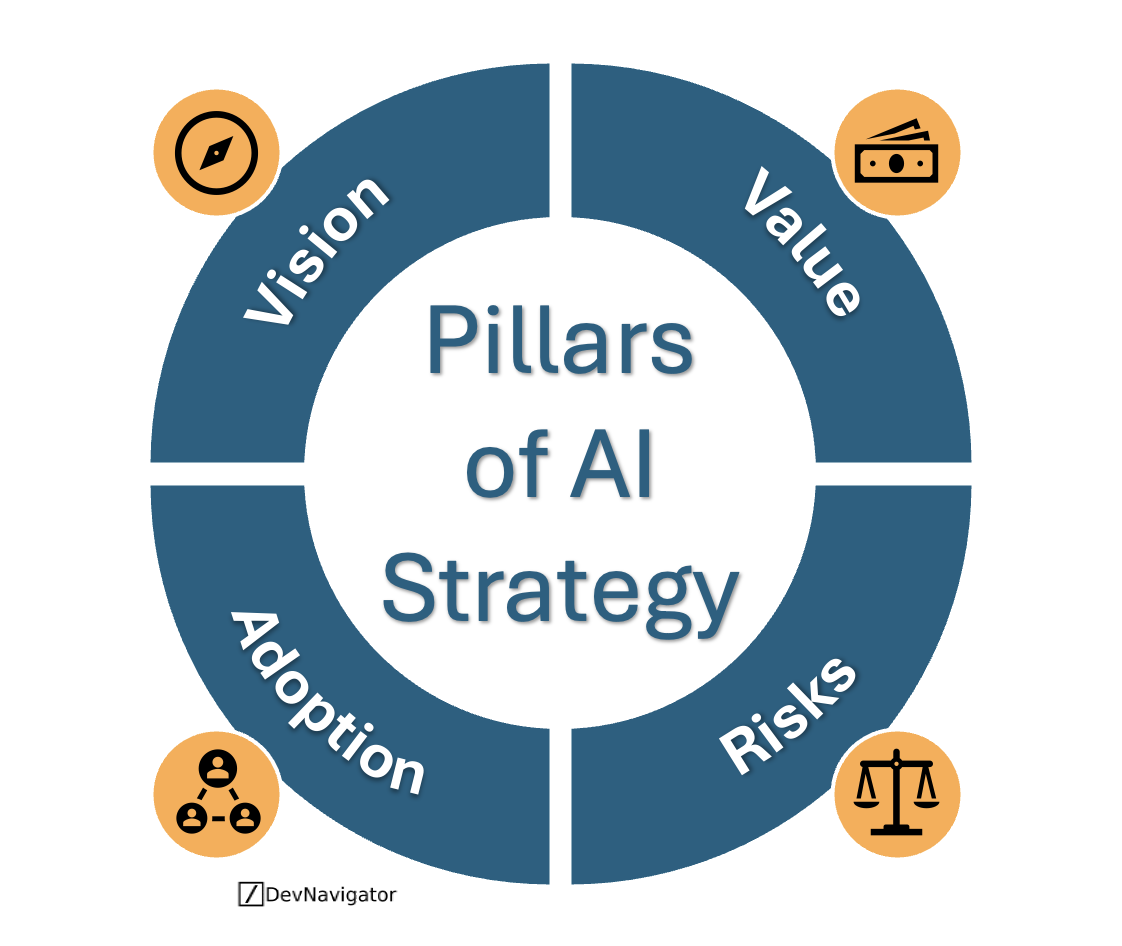
Pillars of a Success AI Strategy to Maximize Performance
An effective AI strategy rests on four interconnected pillars: Vision, which defines purpose and direction; Value, which ties AI initiatives to measurable business outcomes; Risks, which ensures governance, ethics, and…
-

Understanding the SMART Framework
An illustration of the SMART goal framework, which defines effective objectives as Specific, Measurable, Achievable, Relevant, and Time-Based. Each element contributes to clarity and accountability, ensuring goals are well-defined, quantifiable,…
-
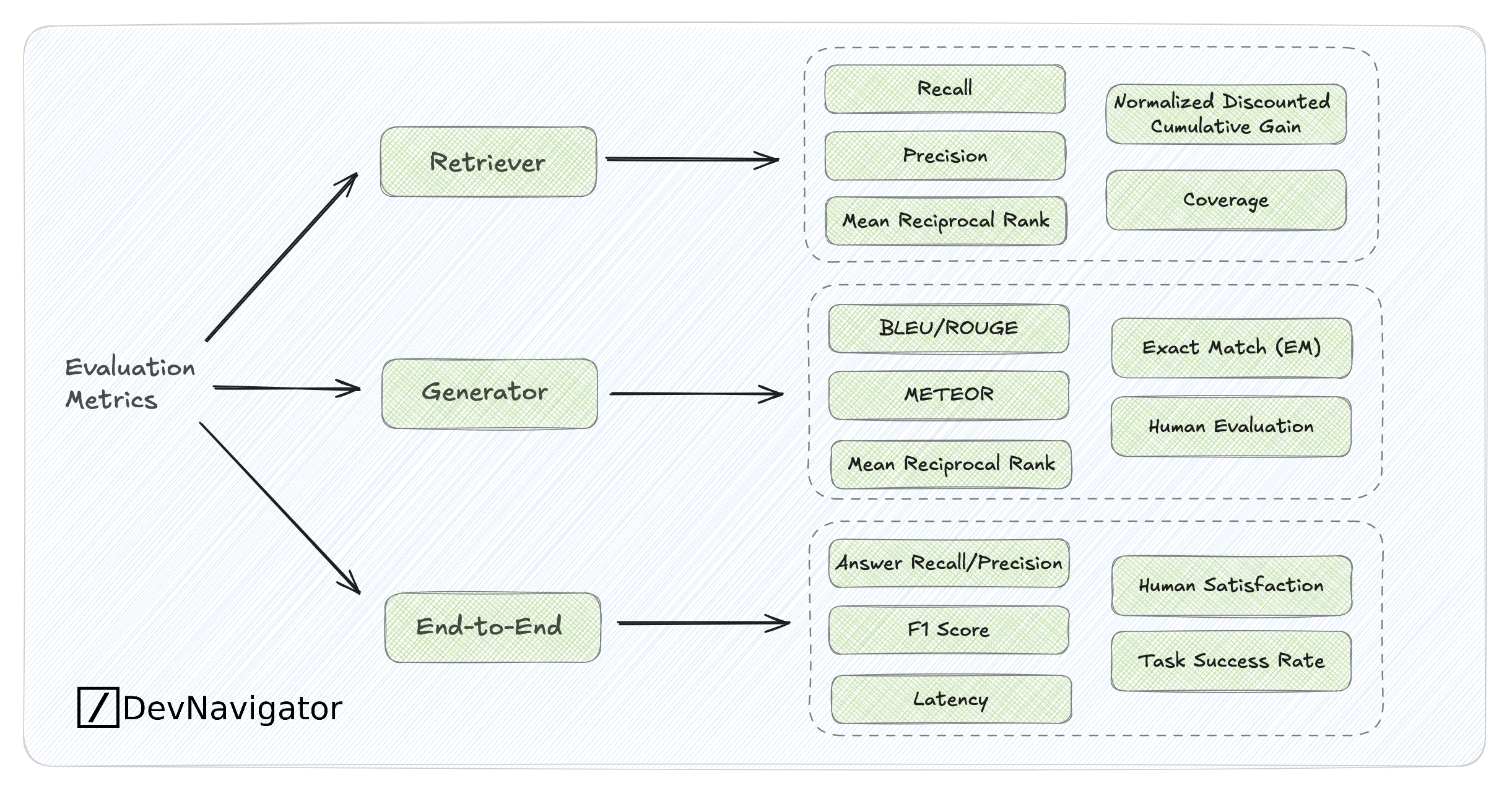
Evaluating AI Performance
Evaluating retrieval-augmented or generative AI systems requires different layers of measurement, retrievers are judged by how effectively they surface relevant information, generators by the quality and fidelity of their responses,…
-
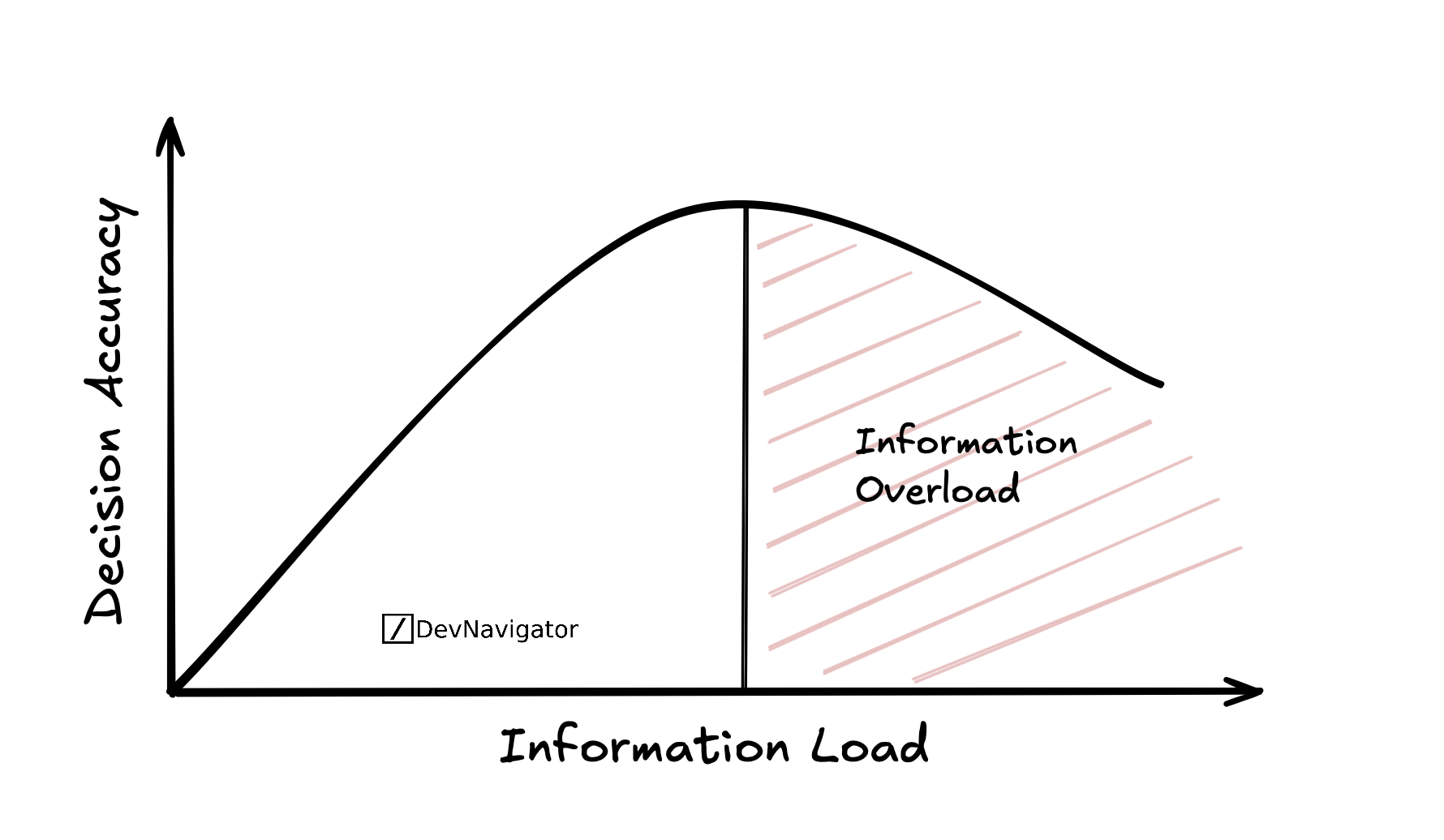
Information Overload
As the amount of available information increases, decision accuracy initially improves, up to a point. Beyond that threshold, additional input begins to overwhelm cognitive capacity, leading to slower thinking and…
-
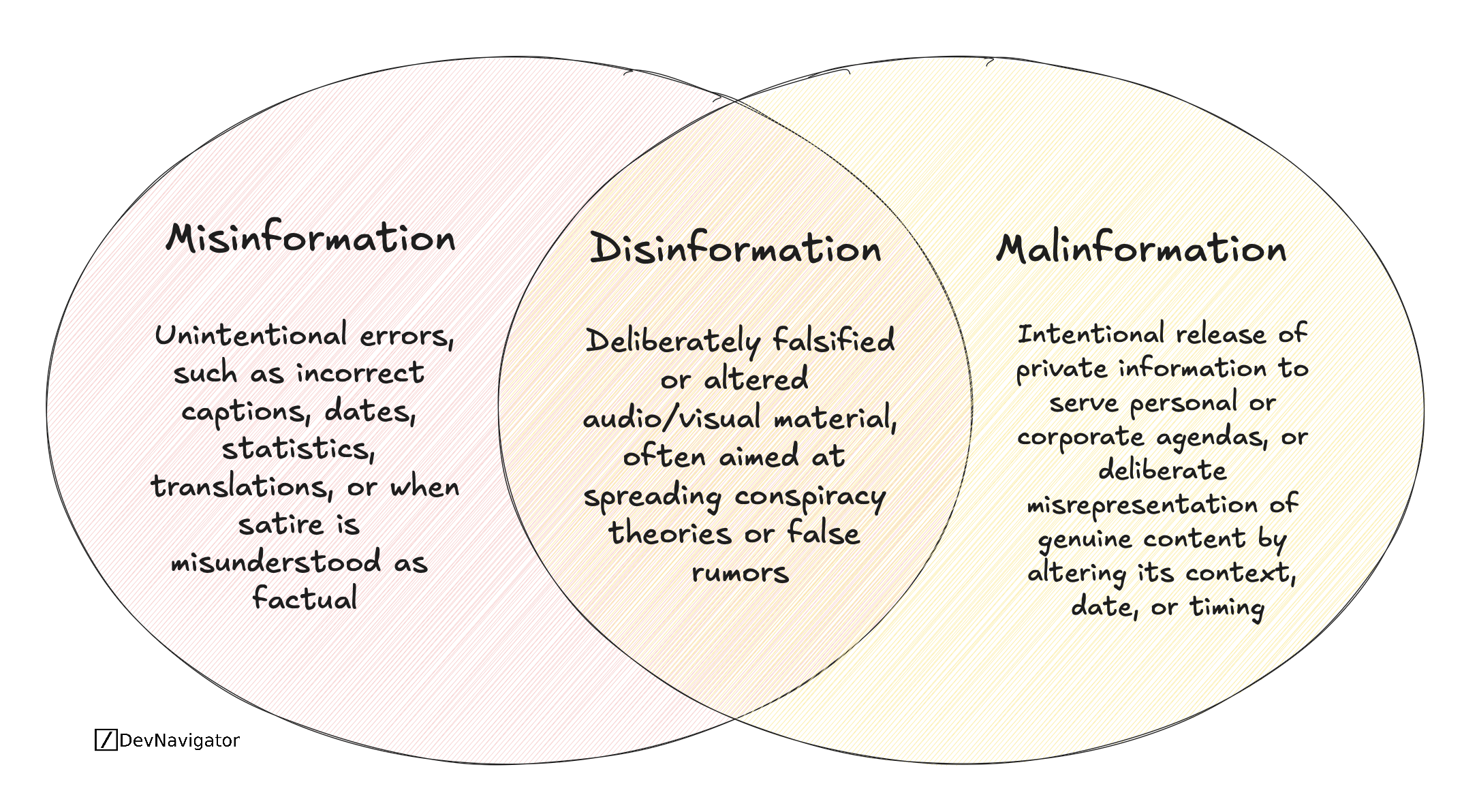
Understanding Misinformation, Disinformation, and Malinformation
The diagram distinguishes between misinformation, disinformation, and malinformation—three forms of misleading communication that differ in intent and accuracy. Misinformation arises from unintentional mistakes or misinterpretations, disinformation involves deliberate deception designed…