
-
Understanding Misinformation, Disinformation, and Malinformation
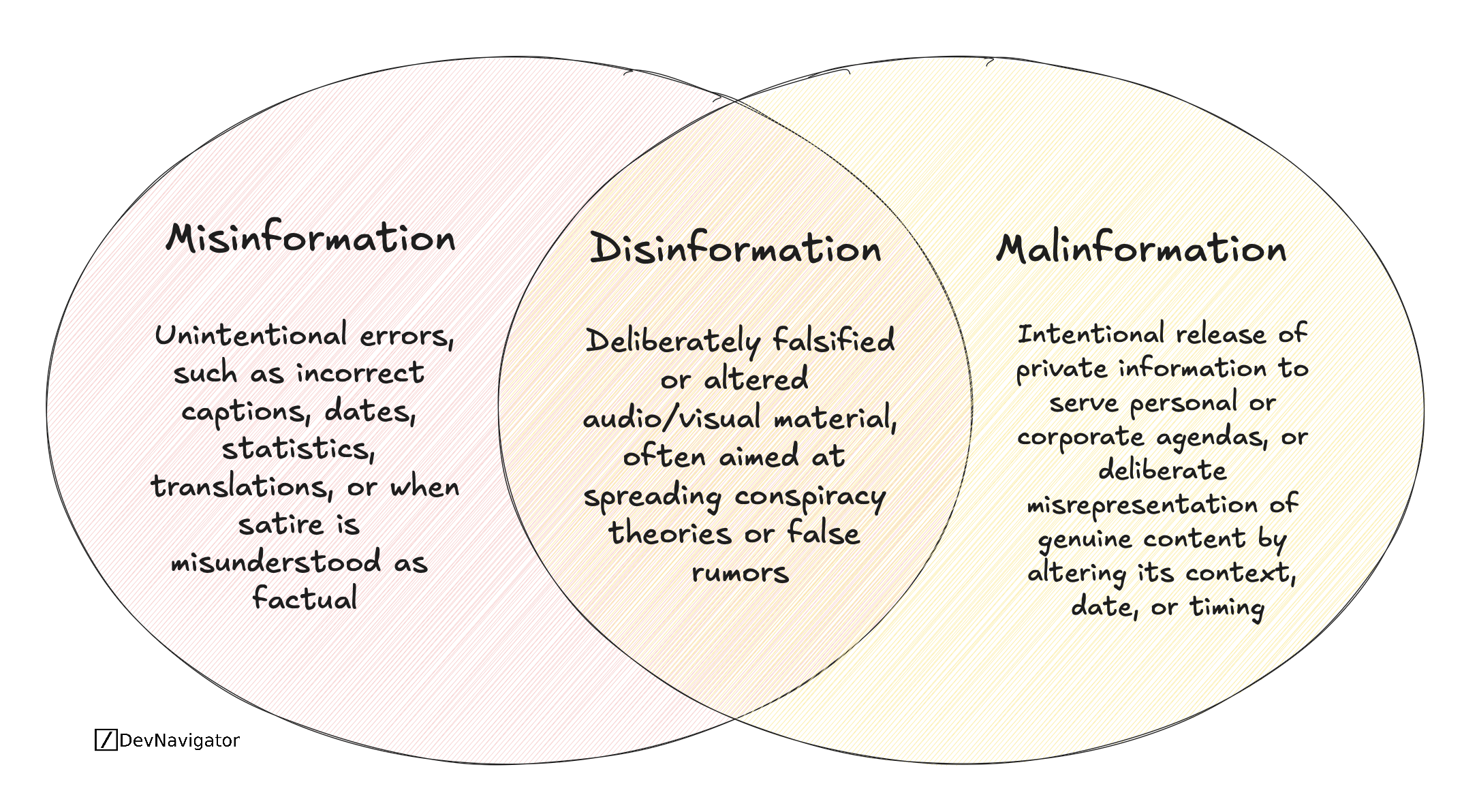
The diagram distinguishes between misinformation, disinformation, and malinformation—three forms of misleading communication that differ in intent and accuracy. Misinformation arises…
-
Understanding AI Agents Types
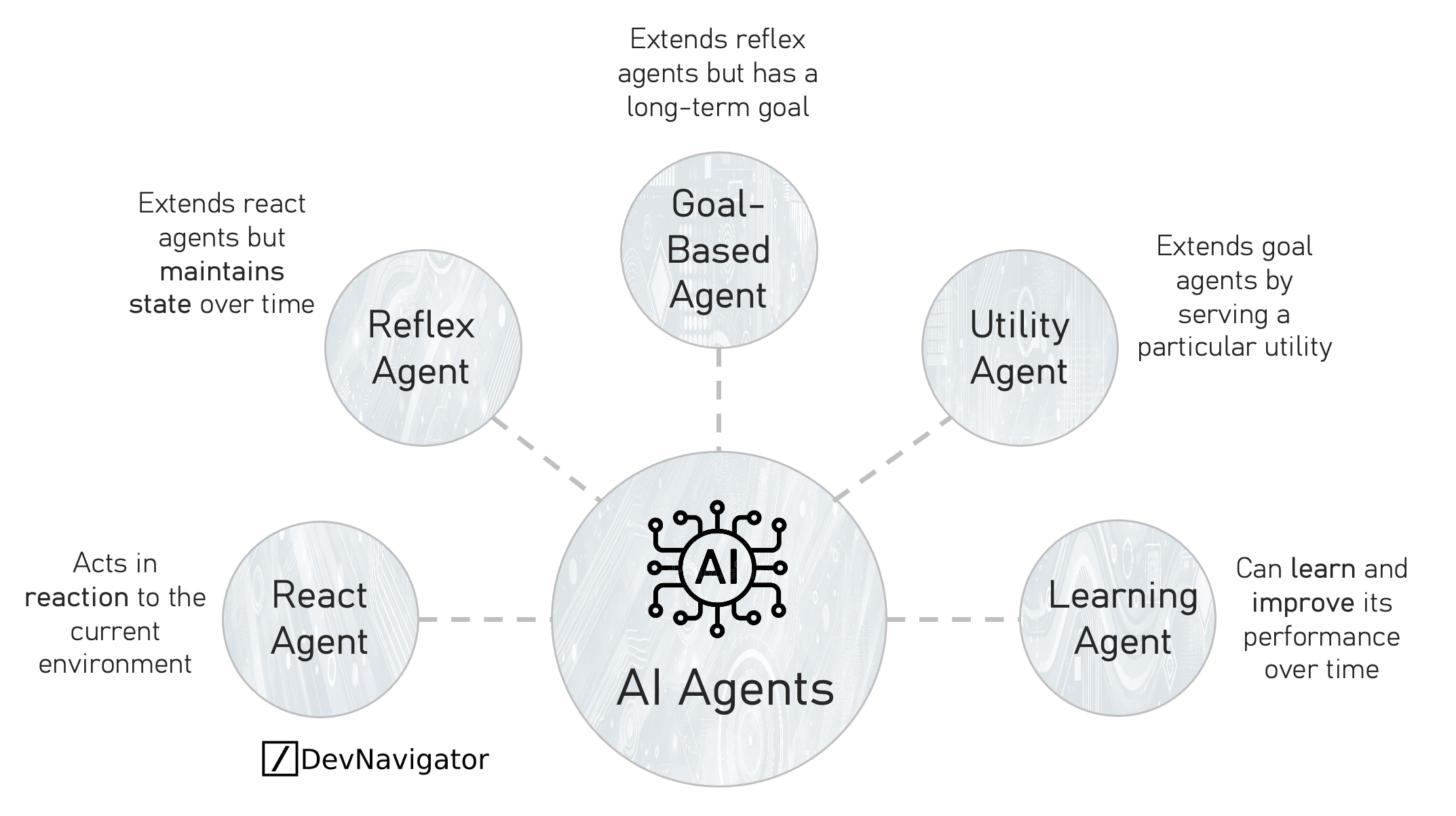
AI agents can be understood as a hierarchy of increasing intelligence and autonomy. At the simplest level, reactive agents respond…
-
Moore’s Law: 60 Years of Relentless Computing Power Growth
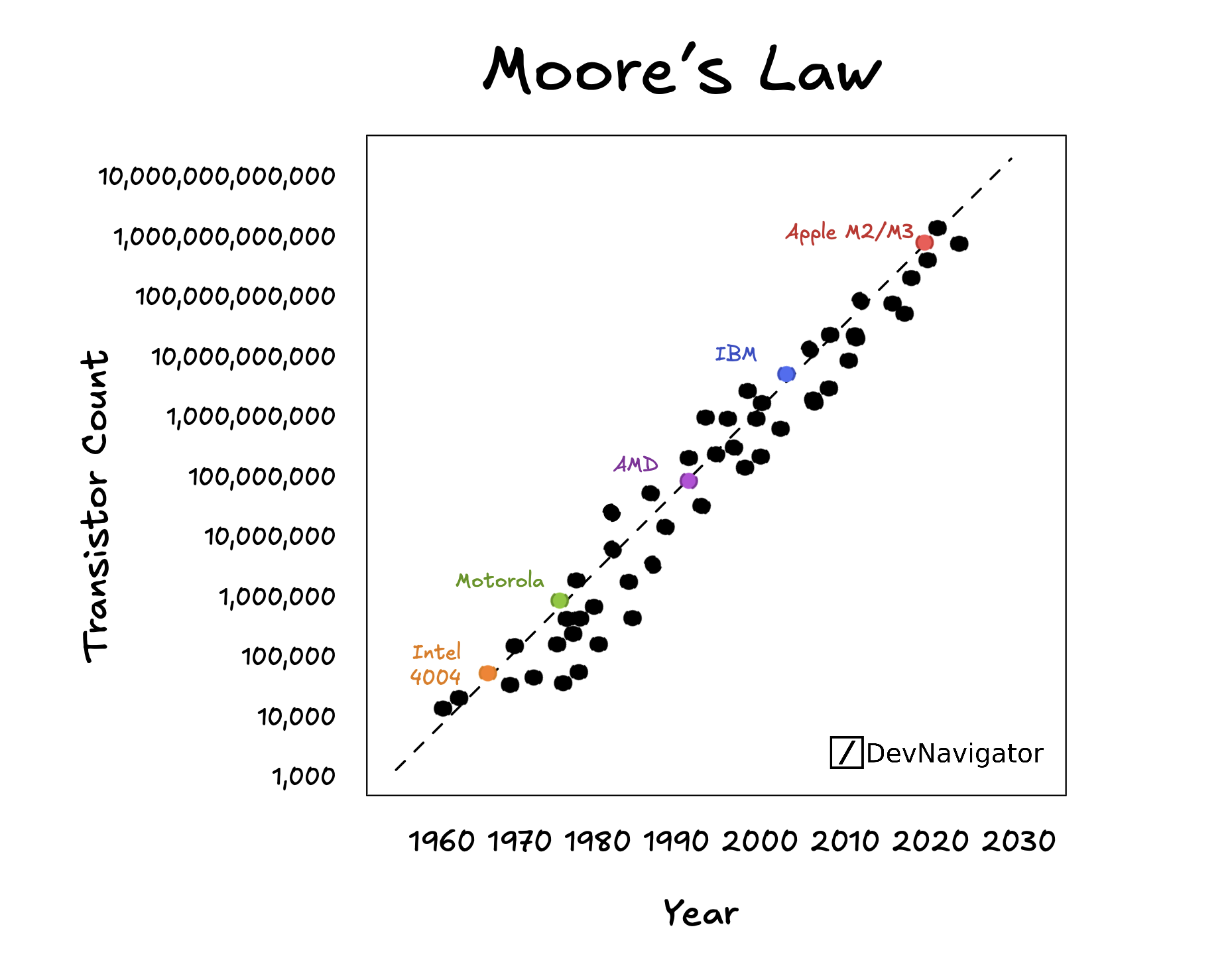
For more than six decades, Moore’s Law has served as a remarkably accurate predictor of computing progress, guiding how engineers,…
-
The Pareto Principle
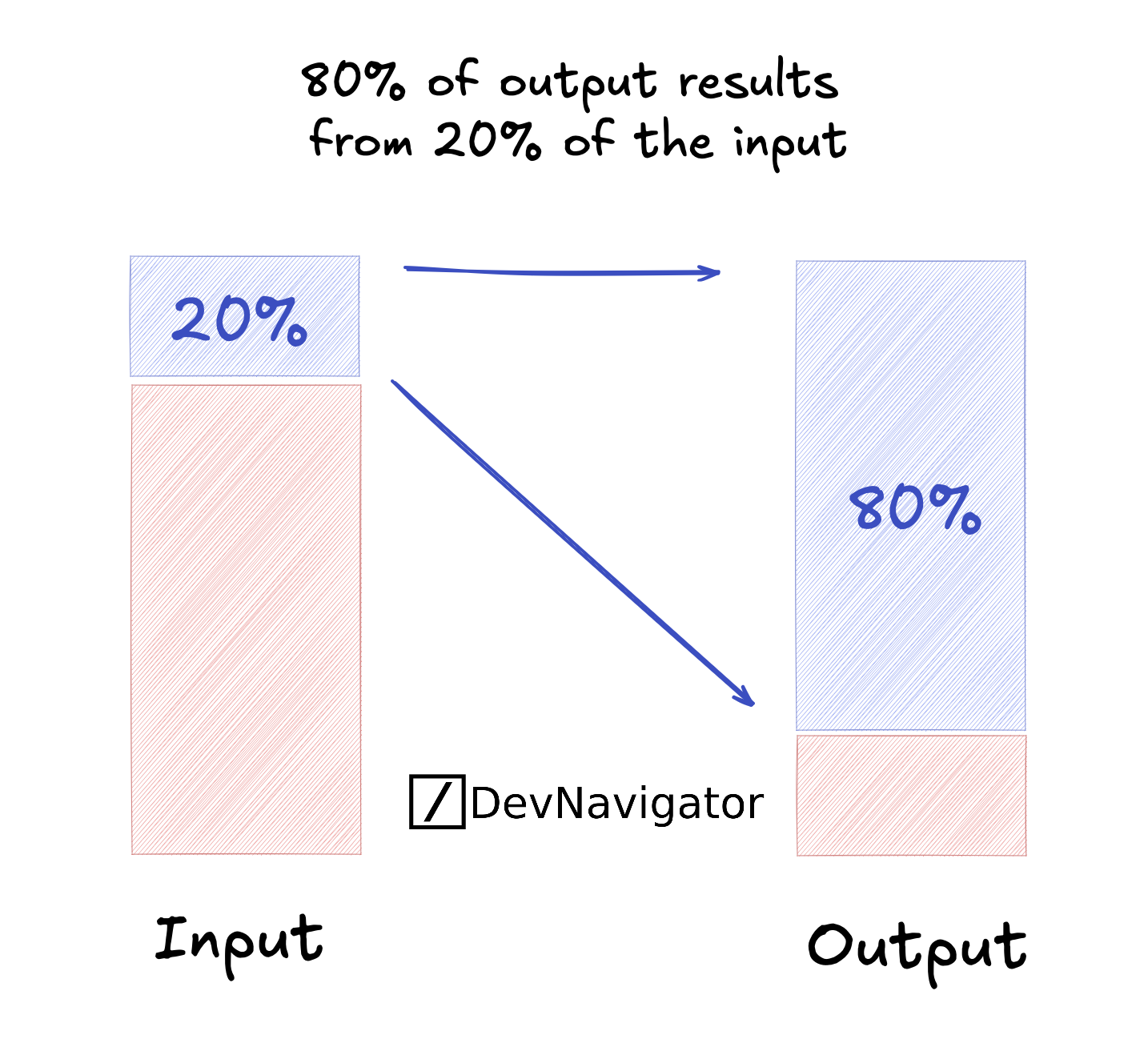
A visual representation of the Pareto Principle, which states that a small portion of effort often drives the majority of…
-
Understanding the Hype Cycle
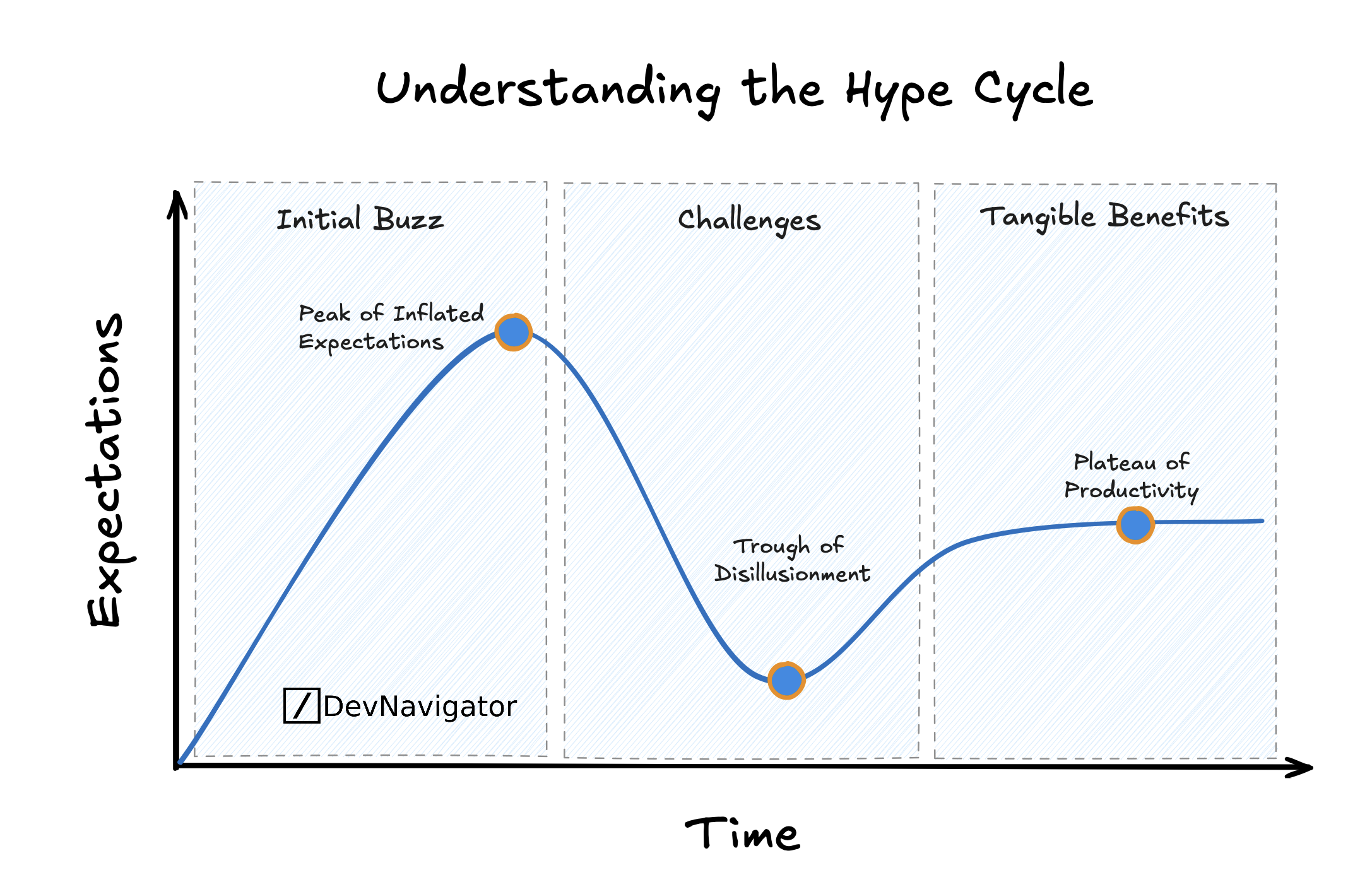
Innovation often follows a predictable emotional and practical arc, captured here as the “hype cycle.” New technologies rise quickly through…
-
Navigating AI and Computing Frontiers

Emerging research in artificial intelligence and computing can be grouped into three transformative themes: managing AI’s imperatives and risks, exploring…
-
AI Agent Orchestration: The Powerful 3-Layer System Turning Goals Into Action
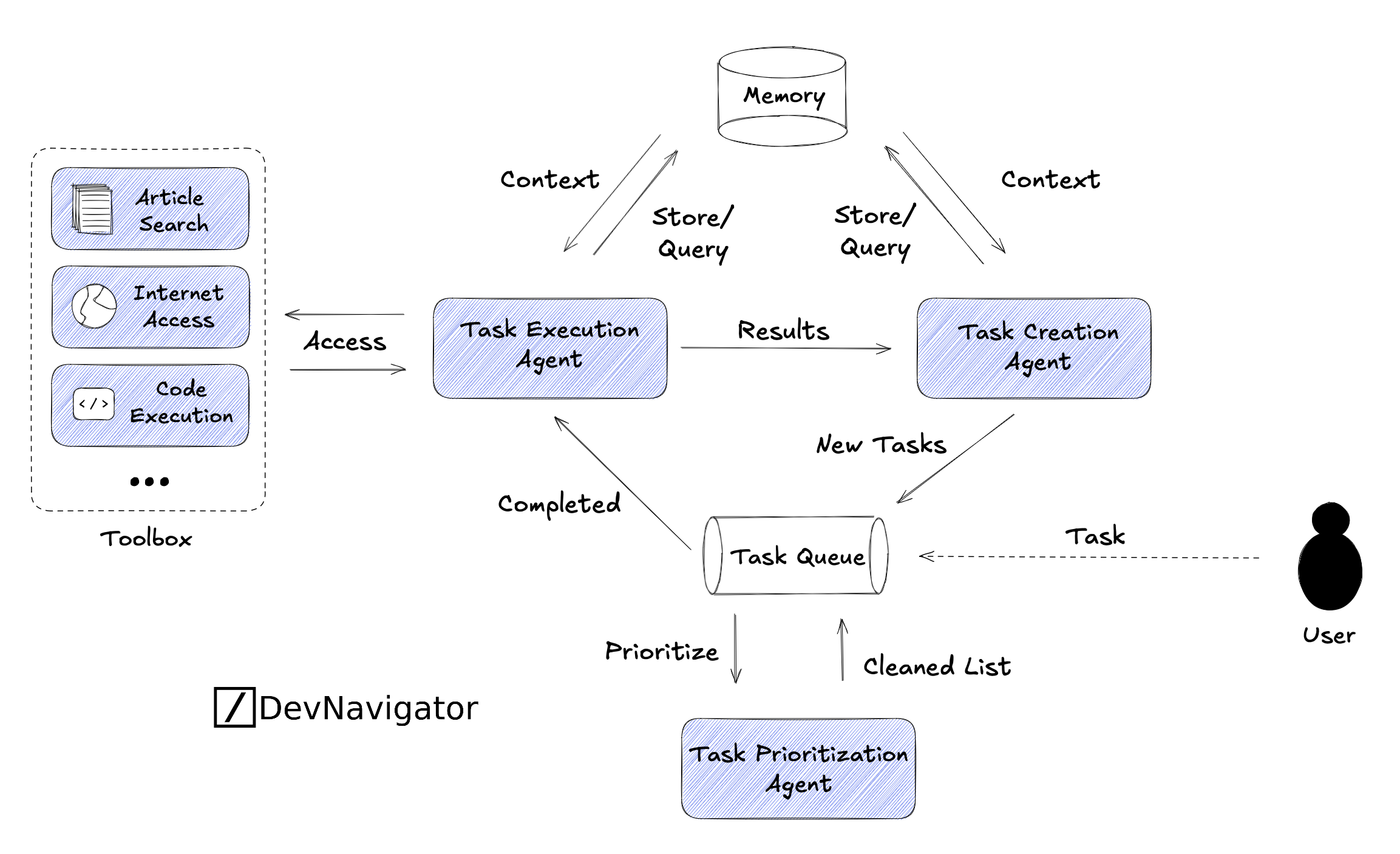
AI Agent Orchestration is rapidly becoming the foundation for how complex work gets done with artificial intelligence. Instead of relying…
-
AI Agents Explained: The Powerful 3-Level Evolution From Models to Autonomous Systems
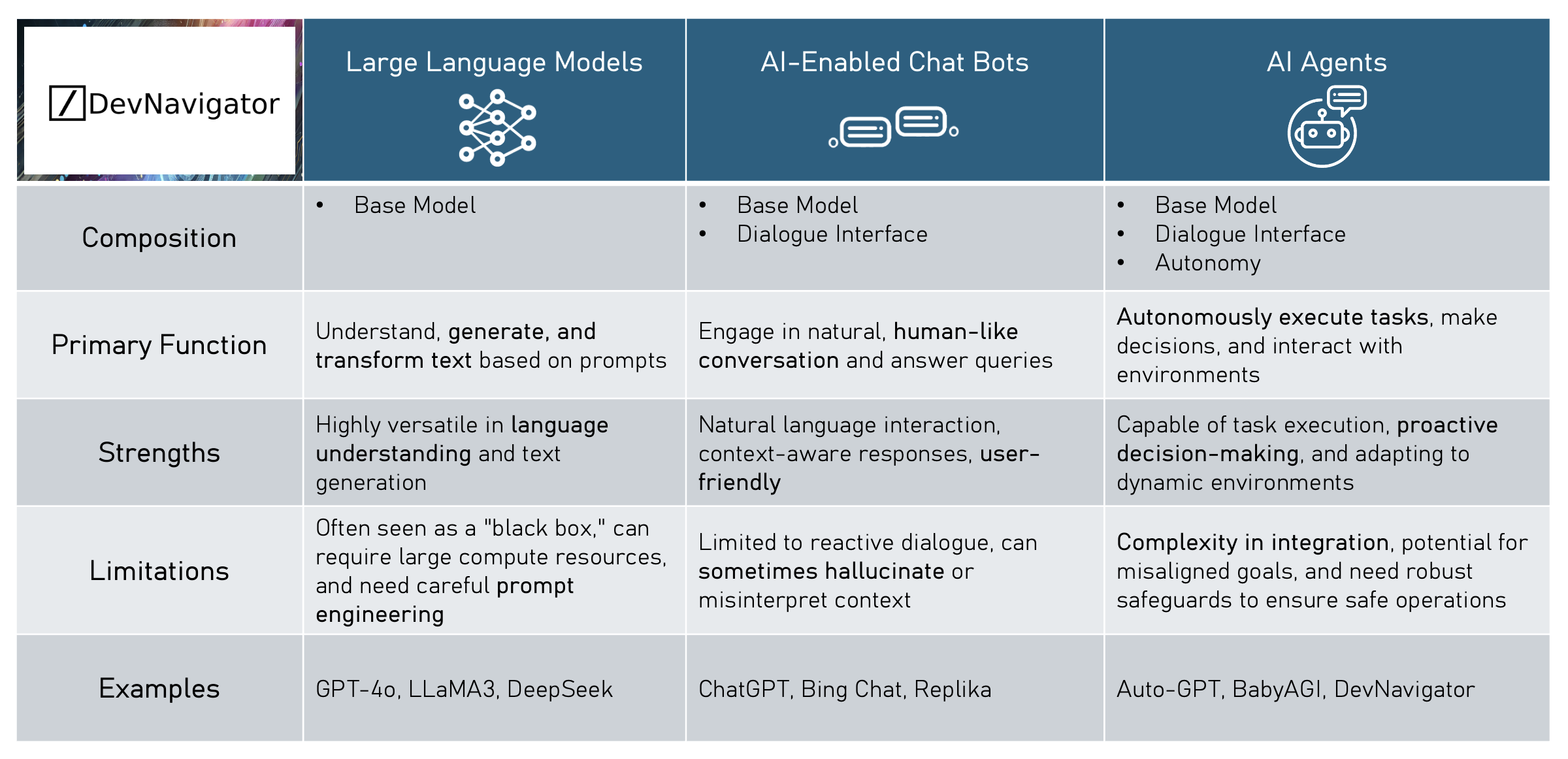
AI Agents are quickly becoming one of the most misunderstood terms in modern technology conversations. The phrase is often used…
-
Responsible Artificial Intelligence: The 5 Powerful Principles That Build Lasting Trust
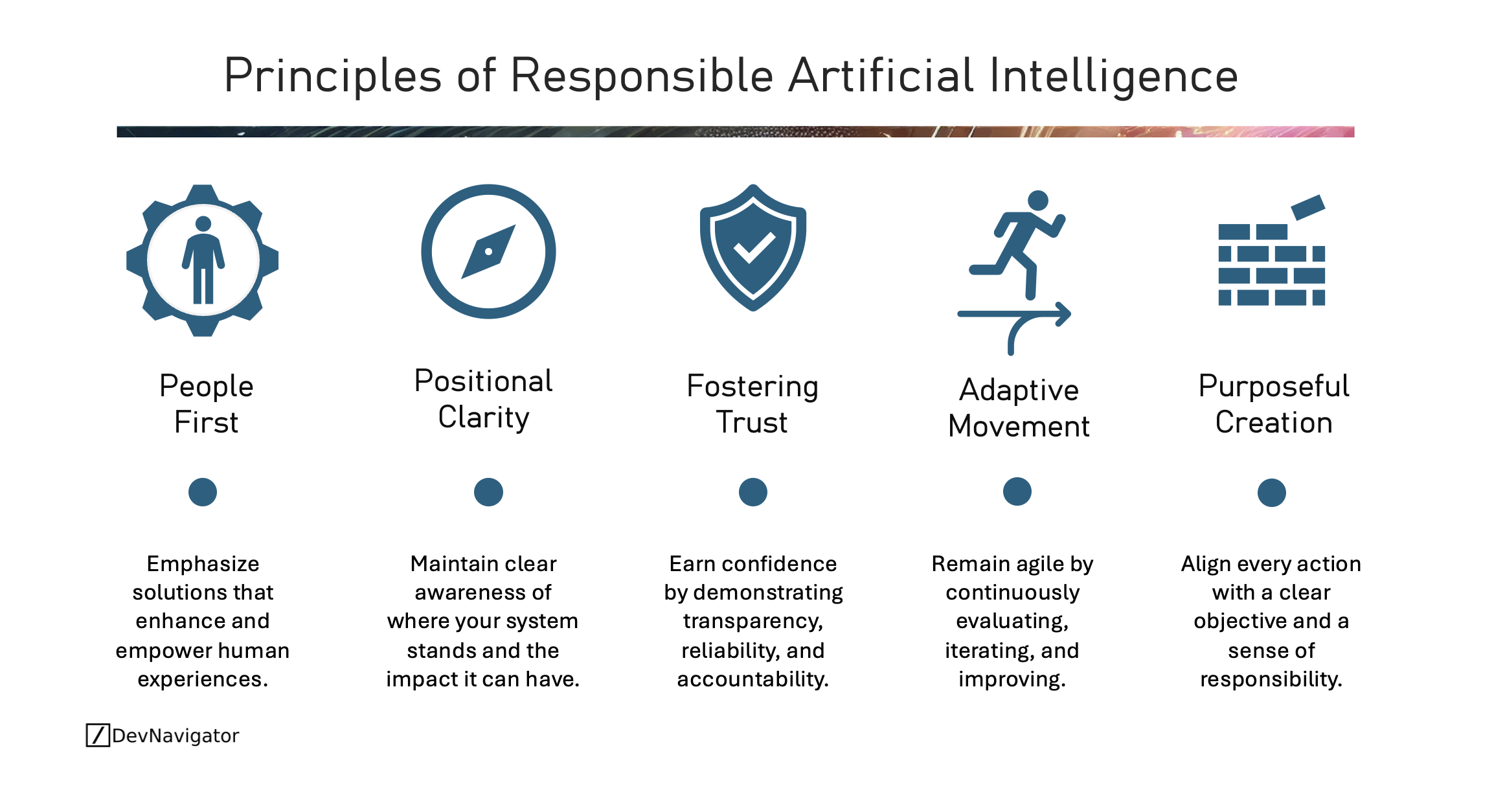
Responsible Artificial Intelligence is no longer a theoretical concept reserved for policy discussions. It is a practical necessity for organizations…
-
The Benefits of Microlearnings
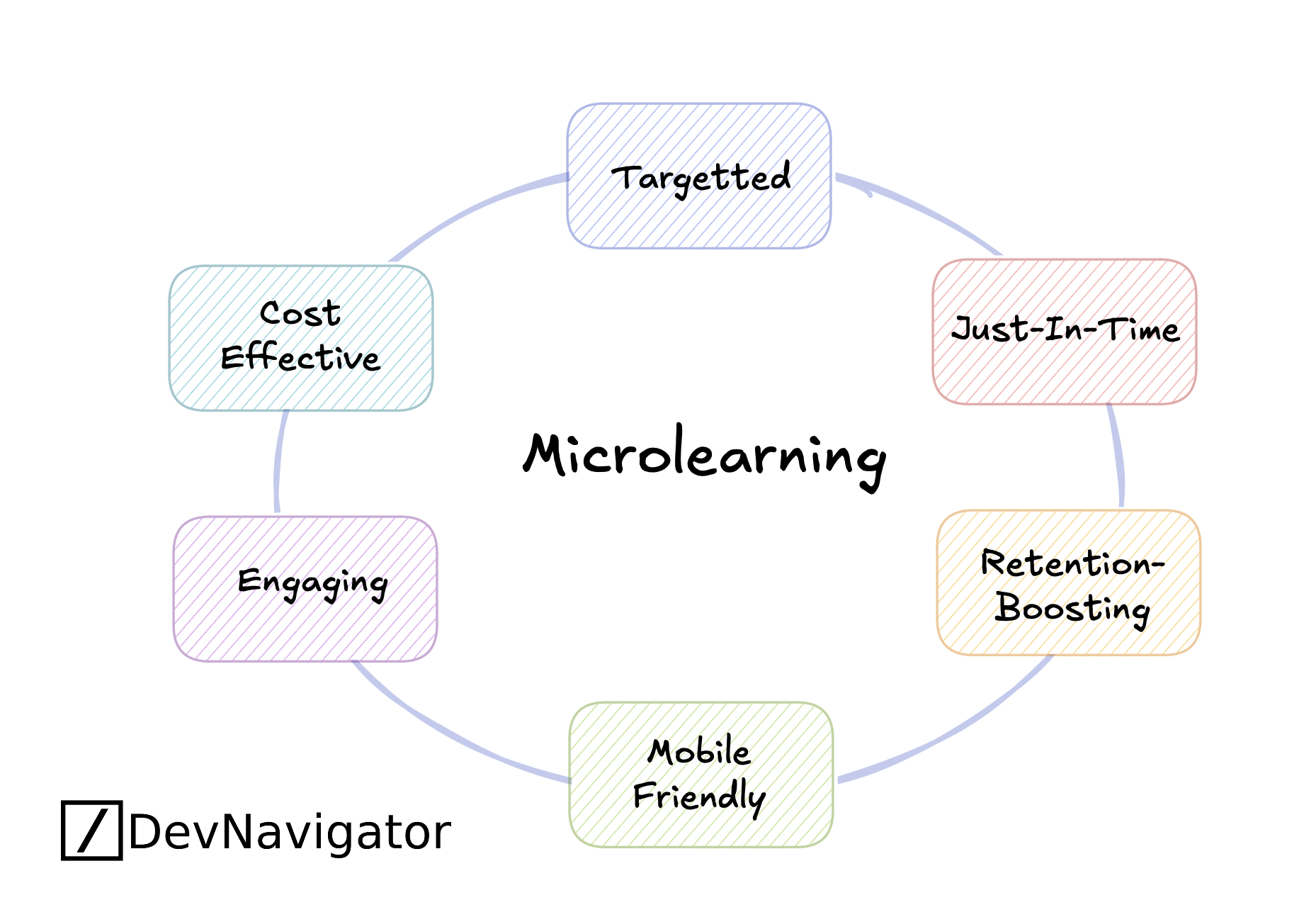
Microlearning delivers short, focused learning experiences designed for efficiency and impact. It provides targeted content tailored to specific skills or…


AI Strategy, Simplified Visually
Visual frameworks for AI strategy, emerging technology, and trending research, built for leaders and technical teams.
DevNavigator publishes infographic-first explanations of enterprise AI, agentic systems, governance, and data strategy, designed to help leaders and builders align faster, communicate better, and execute with clarity.
Browse by Pillar

AI/ML & Data Science
Models, LLMs, evaluation, RAG, agentic patterns, and practical ML concepts.

Strategy & Governance
AI operating models, transformation, governance, risk, and leadership alignment.

Business Applications
Use cases, workflow redesign, copilots, automation, and AI in real processes.

Business Performance & KPIs
Value measurement, metrics, ROI, productivity, and outcome-driven delivery.

Data & Infrastructure
Data foundations, platforms, pipelines, vector stores, and enterprise architecture.
Latest Infographics
About DevNavigator
DevNavigator helps leaders, managers, and builders make sense of AI strategy and enterprise technology through infographic-first storytelling. Use these visuals to align teams, explain complex systems, and drive real execution.
DevNavigator
AI Strategy, Simplified Visually.
© 2025 Recursiv LLC. All rights reserved.
Terms & Conditions | Privacy Policy | Contact Us | Donations
